


Resurrection plants: The drought-resistant 'zombie plants' that come back from the dead
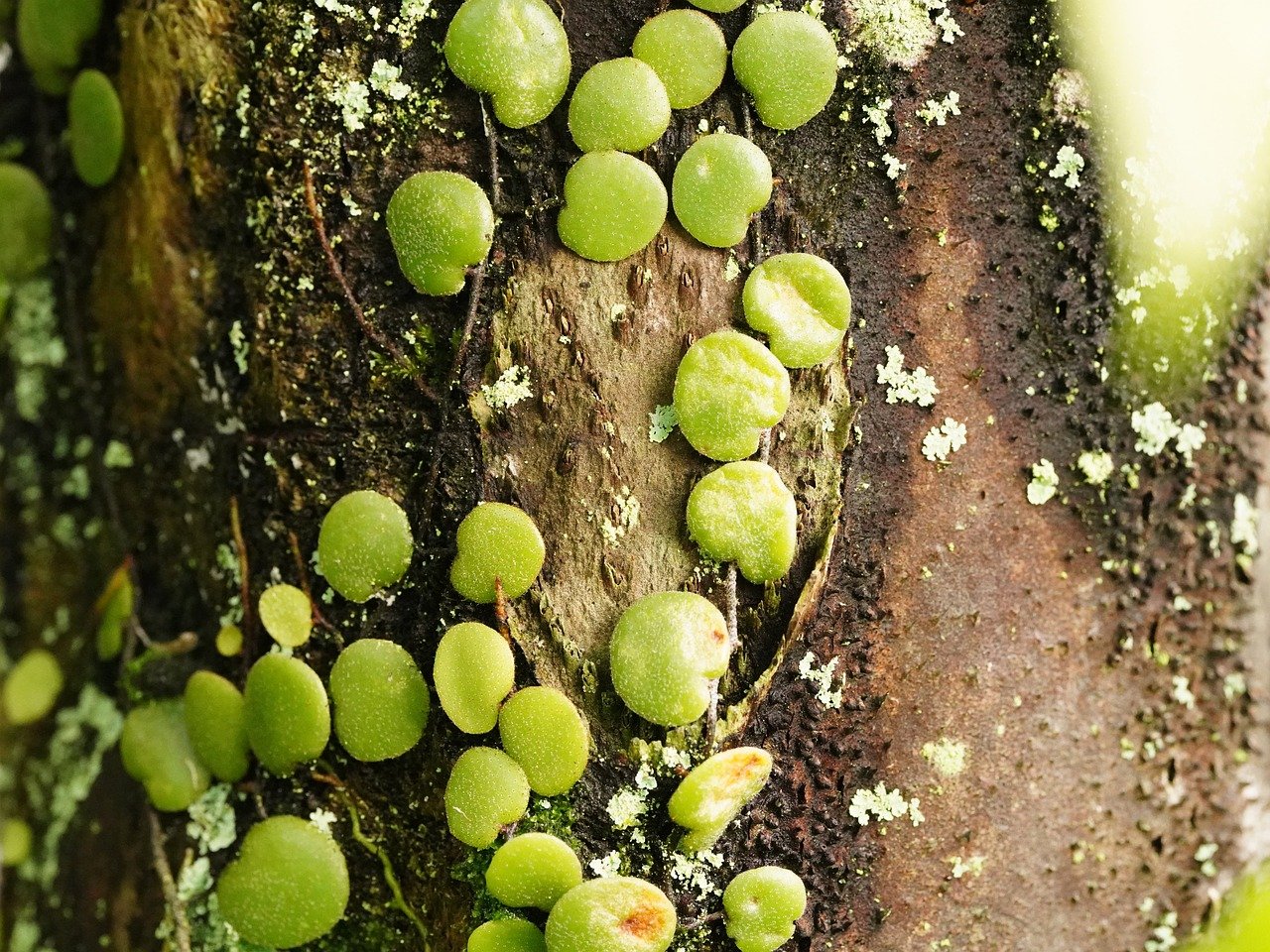
To protect crops from rising droughts, scientists are looking to the genes of a small group of plants that can survive months of drought then regreen within hours.
It was as a child growing up in South Africa in the 1970s that Jill Farrant first noticed several plants around her apparently coming back from the dead.
These plants, she later learned, can survive six months or more without water. Their leaves turn brown and brittle to the touch but, given water, they will regreen within hours. Within a day, they've returned to their former self and can continue to photosynthesise.
While such a Lazarus-like ability is common among mosses, ferns and other non-flowering plants, these "resurrection plants" belonged to the angiosperms, or flowering plants, the group that includes every blossoming tree and fruit-bearing, seed-carrying crop. But out of the 352,000 known species of flowering plants only 240 are resurrection plants. Scattered across this branch of the tree of life, they are often unrelated, each having independently evolved the ability to live without water. Primarily found growing on the rocky slopes or gravelly soils of South Africa, Australia and South America, the tactics used for this zombie-like trick are surprisingly similar – almost as if an ancestral toolkit can be retrieved from deep inside their DNA to deal with the problem of drought.
Farrant, now a professor of desiccation tolerance at the University of Cape Town, has been studying these unusual plants for over three decades. Along with several other researchers, she believes the drought-resistant powers found in their genes may be key to adapting agriculture to a future of climate change.
Advertisement